Powered By


Same. Growing up food was a big part of my family. There was no one ever there to stop me or tell me to eat a healthier option and now in adulthood I have a bad habit with good. I'm starting therapy to talk about it hope it helps

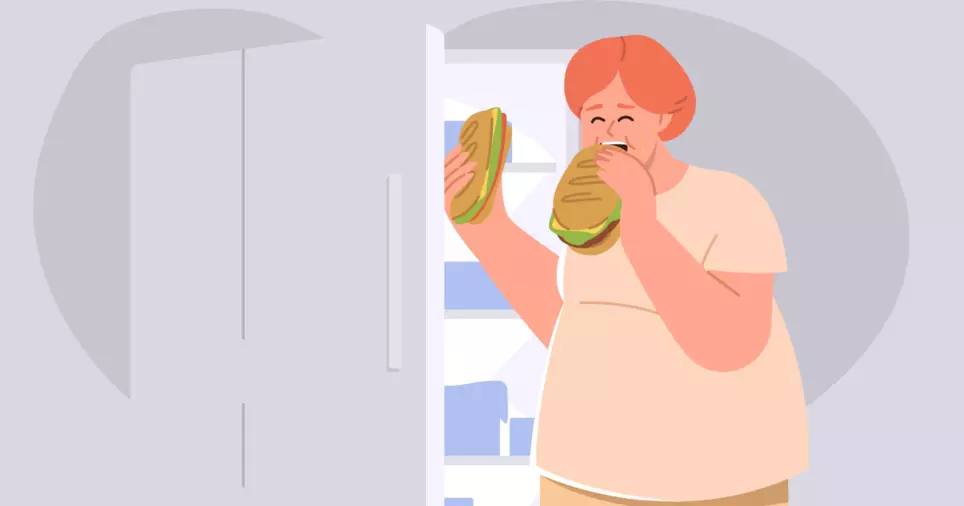
Emotional eating is a common response to both negative and positive feelings, rather than actual hunger. It often involves eating comfort foods to cope with stress, anxiety, boredom, or even celebration. The key is learning to recognize the difference between emotional and physical hunger:
• Physical hunger develops Show Full Answer
I’m an emotional eater and tend to eat more when I’m stressed, but I’ve also found when I’m happy or content that I want to eat as well. I’d like the taste of the food that I eat and find it enjoyable. I’ve often wondered if inhibiting my sense of taste would make a difference on what I want to consume?🤷♀️


 Continue with Facebook
Continue with Email
Continue with Facebook
Continue with Email

 Join
Join



 Your Privacy Choices