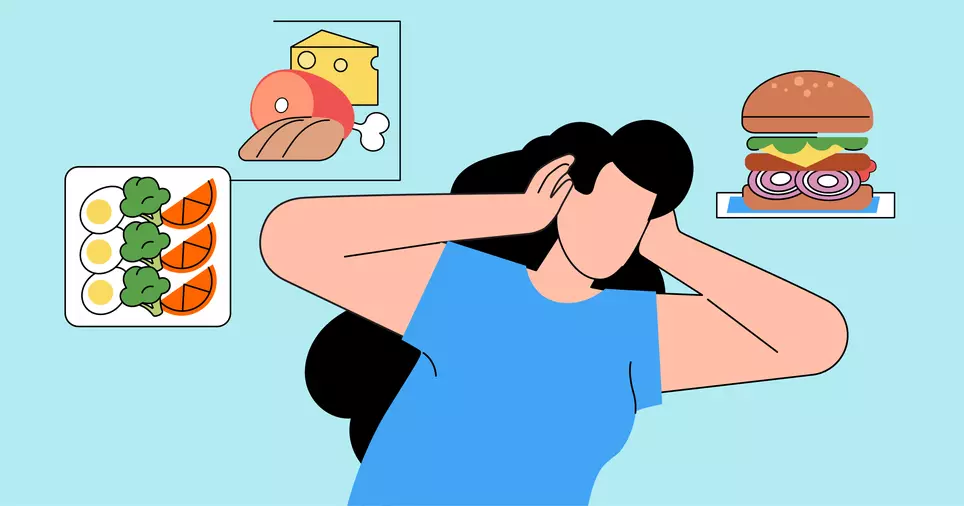
Great questions! "Food noise" refers to those persistent, intrusive thoughts about food that go beyond normal hunger — it's like a constant mental chatter about what to eat, when to eat, and second-guessing your food choices.
Several things can cause food noise, including:
- Hormonal imbalances — In people with obesity Show Full Answer
Great questions! "Food noise" refers to those persistent, intrusive thoughts about food that go beyond normal hunger — it's like a constant mental chatter about what to eat, when to eat, and second-guessing your food choices.
Several things can cause food noise, including:
- Hormonal imbalances — In people with obesity, hunger hormones like ghrelin may not drop properly after eating, making it harder to feel full and satisfied
- Emotional triggers — Stress, sadness, or anxiety can turn up the volume on food noise
- Restrictive dieting — Cutting out food groups or eating very few calories can make your brain more sensitive to food cues, intensifying cravings
- Environmental cues — Things like seeing junk food at work or in social settings can trigger food-related thoughts GLP-1 medications are not the only way to manage food noise. There are several practical strategies that can help:
1. Eat balanced meals regularly — Include lean protein, healthy fats, complex carbs, and fruits or vegetables to keep hunger stable
2. Practice mindful eating — Pause and ask yourself if you're truly hungry or eating for emotional reasons
3. Keep a food journal — Tracking meals helps identify patterns and keeps eating habits in check
4. Manage stress — Since emotional triggers amplify food noise, finding healthy ways to cope can help
5. Seek professional support — A registered dietitian or mental health professional can offer personalized guidance
If food noise feels overwhelming and these strategies aren't enough, it's worth talking to your doctor about all available treatment options — GLP-1 medications being one of them.
AI-generated responses are not a substitute for medical advice. These services are not intended to
diagnose, treat, or cure any condition or disease. Always ask your doctor about specific health concerns.

What Is Food Noise? 6 Tips To Stop It
September 8






 Continue with Facebook
Continue with Email
Continue with Facebook
Continue with Email

 Join
Join



 Your Privacy Choices