
Powered By



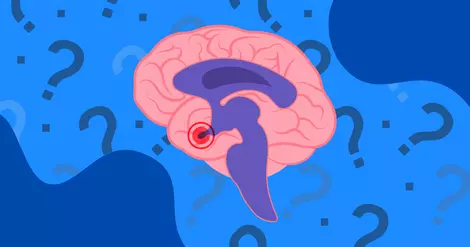
When someone has hypothalamic obesity, gaining weight isn’t just about eating too much or not moving enough. Hypothalamic obesity is a complex medical condition caused by damage to the hypothalamus, a small but powerful part of the brain that helps control hunger, fullness, and how quickly the body burns energy.
Sign up to view the results!
 Continue with Facebook
Continue with Email
Continue with Facebook
Continue with Email
When the hypothalamus is injured — which can happen after a brain tumor like craniopharyngioma or after surgery or radiation to treat it — the brain’s energy balance system can get out of sync. The result is that the body might think it’s starving even when it’s not, which will prompt it to slow its metabolism to conserve energy. Other signals from the hypothalamus may make you feel hungrier, also leading to weight gain.
For this reason, people with hypothalamic obesity can gain weight very quickly, sometimes within just a few months, even when eating and exercising as usual. It’s a biological condition that requires medical treatment and long-term care. Let’s look at what doctors use now and what new options are being developed.
Every treatment plan for hypothalamic obesity starts with lifestyle support, but not in the same way it does for regular weight loss. In hypothalamic obesity, the body burns fewer calories, so typical diet plans often don’t work very well. The focus shifts to creating balance rather than simply cutting calories. A structured plan might include:
While these steps alone rarely lead to major weight loss, they’re vital for supporting other treatments and preventing further weight gain. They also improve energy, sleep, and emotional well-being.
Many people with hypothalamic obesity have multiple hormone deficiencies because the hypothalamus also controls the pituitary gland, which regulates many body hormones. When this system doesn’t work properly, the metabolism slows, leading to fatigue and weight gain.
Common hormone treatment targets include:

Replacing these hormones helps the body function normally again. While it might not cause a large amount of weight loss by itself, it can help other treatments work better and improve energy.
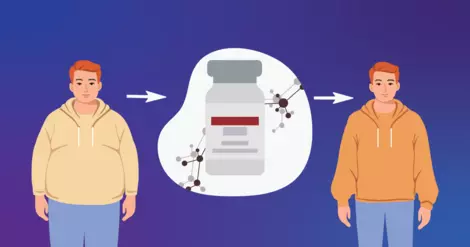
Since hypothalamic obesity is difficult to treat, doctors often use medications originally designed for diabetes or weight control in off-label ways. This means that the U.S. Food and Drug Administration (FDA) has not approved them to treat hypothalamic obesity specifically. These drugs can help control appetite, improve insulin resistance, or boost metabolism.
This class of medications includes drugs like semaglutide (Ozempic, Wegovy), and they mimic a natural hormone that helps regulate hunger and digestion. They tell the brain you’re full and slow down how fast food leaves your stomach. In small studies, they have helped people with hypothalamic obesity eat less and lose modest amounts of weight, though more research is needed. Possible side effects can include nausea, vomiting, and other stomach-related issues.
Tirzepatide (Zepbound) works on two hormones, GIP and GLP-1. It’s approved for weight management in adults, but not specifically for hypothalamic obesity. Early reports are promising, but more studies are still needed to understand this condition.
Commonly used for type 2 diabetes, metformin improves insulin sensitivity and can reduce the body’s drive to store fat. On its own, it has not consistently led to weight loss in people with hypothalamic obesity, but limited research suggests it might slow down further weight gain, especially when combined with diazoxide. For this reason, this therapy combination should be used only under close medical supervision and with realistic expectations focused on slowing weight gain, rather than on weight loss.
Medications like dextroamphetamine, methylphenidate, and other similar treatments can increase alertness, improve attention, and sometimes reduce appetite. They’re only prescribed to certain people who are kept under close supervision because of risks like increased heart rate, sleep problems, or anxiety. No single medicine works for everyone, but in combination with other therapies, these medications may slow weight gain.
Many clinics now use combination treatments, addressing multiple parts of the problem at once. This can include:
In children and adults recovering from craniopharyngioma, combining these strategies has led to better appetite control, improved body composition, and a higher quality of life.
Treatment plans are often guided by a team of specialists — endocrinologists, psychologists, and neurologists, working together to personalize care. The teamwork approach helps address not just weight, but fatigue, mood, and self-confidence, too.
New research focuses on the melanocortin pathway in the brain, a key system for controlling appetite and energy use. Damage here is a major cause of hypothalamic obesity, so new drugs aim to restore normal signaling.
Setmelanotide (Imcivree) activates a brain receptor called MC4R (melanocortin-4 receptor). It’s already approved for rare genetic conditions that cause severe early-onset obesity, and early studies suggest it might also help people with hypothalamic obesity caused by brain injury.
Early trials in people with rare genetic obesity issues showed significant appetite reduction and weight loss, though results for hypothalamic obesity are unknown. Side effects may include skin darkening.
Setmelanotide is not yet approved for hypothalamic obesity. The FDA will decide in March 2026.
Other potential treatments, such as intranasal oxytocin and novel peptides that act directly on brain appetite centers, are being studied in animals and small human trials.
When medical and behavioral treatments don’t work well, bariatric surgery may be an option for some individuals with hypothalamic obesity. Surgeries like gastric bypass or sleeve gastrectomy can reduce food intake and improve blood sugar control.
However, results vary. Because the hypothalamus remains damaged, people may regain weight over time.
Research is shifting toward therapies that target the brain directly to repair or reset hunger pathways. Some of the newest ideas include:
These approaches are still experimental, but early studies in animals and small groups show potential. Researchers believe that by restoring healthy brain signaling, future treatments may help normalize metabolism, not just manage symptoms.
Trying to treat and manage a chronic condition like hypothalamic obesity can feel exhausting. People often try everything — diet changes, exercise, medications — only to see little progress. But understanding that this is a brain-based condition, not a failure of willpower, can help.
The best interventions come from working with a specialist care team that understands hypothalamic injury. These teams can help fine-tune hormone levels, adjust medications, monitor for side effects, and connect people to new clinical trials for promising treatments.
Science is moving quickly. From GLP-1 medications to melanocortin drugs and brain-targeted therapies, new treatments are helping people live healthier, more balanced lives. The focus is shifting from simply losing weight to restoring the body’s natural balance.
On MyObesityTeam, people share their experiences with hypothalamic obesity, get advice, and find support from others who understand.
What gives you the most hope right now about new treatments for hypothalamic obesity? Let others know in the comments below.
Get updates directly to your inbox.



 Continue with Facebook
Continue with Email
Continue with Facebook
Continue with Email
Continue with Facebook
Continue with Email
Continue with Facebook
Continue with Email
Become a member to get even more





 Join
Join

 Your Privacy Choices

This is a member-feature!
Sign up for free to view article comments.
We'd love to hear from you! Please share your name and email to post and read comments.
You'll also get the latest articles directly to your inbox.