
Powered By



Living with obesity raises the risk of developing high blood pressure, also called hypertension. Even if you’re on blood pressure treatment, your blood pressure may remain higher than your goal. This is called uncontrolled hypertension, and obesity is a risk factor for it.
Managing uncontrolled hypertension requires close collaboration with your doctor. Keep reading to find a list of questions to ask your doctor about getting your blood pressure under control.
Ask your doctor what could be causing your blood pressure to remain high despite treatment. While obesity may contribute to your blood pressure elevation, it’s not the only cause.
Other common reasons may include:
If your home readings seem inconsistent, the monitor or cuff size may be affecting the results. A cuff that is too small can give a falsely high reading. Use a validated upper-arm monitor with a cuff that fits your arm, and bring it to an appointment so your healthcare team can compare it with the clinic’s equipment.
Once you and your care team determine what’s behind your uncontrolled hypertension, you can move forward with a plan to control it.
 Question 3: What’s My Blood Pressure Goal?
Your healthcare provider can tell you what your target blood pressure reading should be. Your care team knows about your specific health goals and other conditions, so they can create a tailored recommendation for you.
In general, hypertension is defined as a systolic (top) blood pressure number of 140 millimeters of mercury (mm Hg) or higher and a diastolic (bottom) number of 90 mm Hg or more. These numbers must be consistently high during readings on two separate days to be considered hypertensive.
Your doctor may aim for your blood pressure to be below 140/90 mm Hg. But if they have other goals, they’ll let you know what to aim for, how often to test, and whether they recommend testing at a particular time of day.
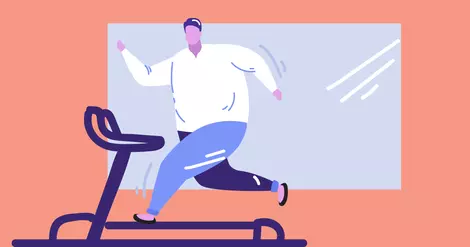
Exercising may help you reduce your weight, and weight loss can help lower your blood pressure. But physical activity may be challenging when you have obesity and hypertension. Exercising can be hard on your joints and may affect your heart rate and breathing.
If your doctor clears you to exercise, they may ask you to monitor your breathing and heart rate carefully. This can help ensure that you don’t overexert yourself. They might also request that you keep an eye on your blood pressure before and after exercising.
Ask your doctor which types of exercises they recommend. Follow your doctor’s instructions carefully, and if you need support, ask for a referral to a physical therapist or exercise coach. They can create a workout plan that takes your obesity and hypertension into account.
 Question 5: What Should My Next Steps Be?
If you have uncontrolled hypertension, ask your doctor how to address it. If your treatment hasn’t been working, your doctor may recommend adjusting your antihypertensive medications or performing more tests. They may also refer you to a heart and vascular specialist who has expertise in helping people lower their blood pressure.
Your care team may check whether you are taking your medicines as prescribed, whether your home readings are accurate, and whether any medicines or substances are raising your blood pressure. Always follow the food instructions for each specific medicine.
Your doctor might also recommend lifestyle changes that could help improve your blood pressure. These will be different for everyone, but may include:
Your doctor may ask specific questions about what you eat. Depending on what’s in your typical eating plan, they might suggest changes, such as introducing more whole grains or vegetables. If your doctor thinks your eating habits are contributing to hypertension, they may refer you to a dietitian for a tailored eating plan.
You can usually manage high blood pressure by working with your doctor. But there are some instances when hypertension is so severe that you shouldn’t wait until your next appointment.
If your blood pressure is above 180/120 mm Hg and you don’t have concerning symptoms, wait at least one minute and check it again. If the second reading is still that high, contact a healthcare professional promptly.
If a repeated blood pressure reading is above 180/120 mm Hg and you have any of the following symptoms, call 911 or your local emergency number right away:
These could be signs of a life-threatening emergency, such as a heart attack or stroke.
Never stop taking your blood pressure medicines without speaking to your doctor first. Stopping these medications abruptly could lead to severe complications.
If your medication isn’t working, your doctor may add other options to your treatment plan. For instance, a diuretic (water pill) may be used along with your hypertension medications to help lower your blood pressure.
Your care team is your best resource for helping you treat uncontrolled hypertension. Work with your provider to ensure you find solutions to your high blood pressure while also honoring your overall health goals.
On MyObesityTeam, people share their experiences with obesity, get advice, and find support from others who understand.
How have you managed uncontrolled hypertension? Let others know in the comments below.
Get updates directly to your inbox.




 Continue with Facebook
Continue with Email
Continue with Facebook
Continue with Email
Continue with Facebook
Continue with Email
Continue with Facebook
Continue with Email
Become a member to get even more





 Join
Join

 Your Privacy Choices

This is a member-feature!
Sign up for free to view article comments.
We'd love to hear from you! Please share your name and email to post and read comments.
You'll also get the latest articles directly to your inbox.