
Powered By



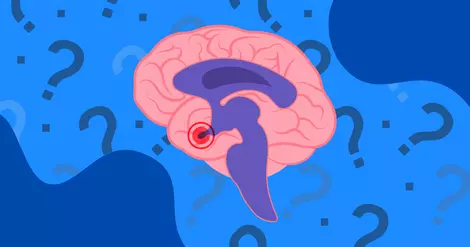
Hypothalamic obesity is a type of obesity that’s caused by damage to the part of your brain called the hypothalamus. When it’s functioning properly, the hypothalamus sends signals to other parts of your body to keep it in balance. The hypothalamus tells you when you are hungry, thirsty, or full. It controls energy balance and is responsible for many other functions in the body.
Sign up to view the results!
 Continue with Facebook
Continue with Email
Continue with Facebook
Continue with Email
Symptoms of hypothalamic obesity include feeling hungry all the time and having a difficult time losing weight. It can also lead to issues with regulating your body temperature, sleep cycles, and mood.
Recognizing symptoms of hypothalamic obesity early can help you get the right evaluation and support sooner. Read on to learn what symptoms you can expect with hypothalamic obesity, and how to tell it apart from other medical or endocrine disorders that can cause rapid weight gain and other similar symptoms.
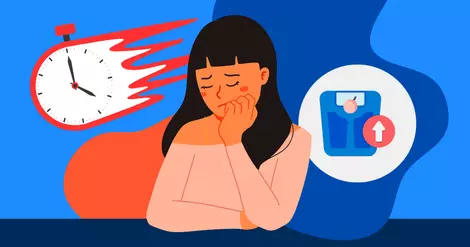
One of the most noticeable and first signs of hypothalamic obesity is excess weight gain that happens rapidly. The causes of rapid weight gain with hypothalamic obesity include uncontrollable and excessive hunger (hyperphagia), which leads to overeating. Another symptom is a low resting metabolic rate, meaning that fewer calories are burned during normal body functions.
If you continue to gain weight despite eating a healthy diet and getting plenty of exercise, this could be a sign of hypothalamic obesity. For people with hypothalamic obesity, weight loss can be extremely difficult — even when physical activity is increased and food intake or calories are reduced. For some people, weight gain can continue even during strict dieting interventions. Don’t blame yourself if a hypothalamic obesity diet isn’t effective for you. This is very common with this type of obesity.
People with hypothalamic obesity can experience extreme, intense, and uncontrollable hunger. Also called hyperphagia, this kind of hunger is the result of damage to the hypothalamus. The signals telling your body to eat are very strong.
Overeating with hypothalamic obesity often cannot be controlled with normal dieting or “self-control.” This intense hunger can even result in food-seeking behavior that affects your quality of life, like stealing food, stealing money for food, or foraging for food.
Energy balance — how your body uses and stores energy — is managed by your hypothalamus. With hypothalamic obesity, your energy expenditure goes down, resulting in a lower amount of calories burned at rest. When this happens, your body gets signals to store and conserve energy, making you feel slow and sluggish. At the same time, hormone changes and disrupted nervous system signals can make it harder for the body to access energy when it’s needed.
With hypothalamic obesity, physical activity can also become difficult, making it hard to exercise or be active. In one study, reduced physical activity was one of the most frequent complaints among people with brain tumors (specifically craniopharyngioma) that impact their hypothalamus. Together, these changes can cause persistent fatigue, poor stamina, and a sense that even small tasks require much more effort than before.
Hypothalamic obesity can also cause fatigue, tiredness, insomnia, and excessive daytime sleepiness. The hormones controlled by your hypothalamus have an impact on sleep in several ways.
Damage to the part of the hypothalamus that controls sleep cycles can lower levels of the hormone melatonin, which helps you feel sleepy at nighttime. This leads to sleep disruptions and daytime sleepiness.

A part of your hypothalamus called the ventrolateral preoptic nucleus (VLPO) regulates sleep and wakefulness, telling you when to feel tired or awake. When this system is damaged, it can cause insomnia, disrupted sleep, and daytime sleepiness. Poor sleep quality as a result of damage to the VLPO can also contribute to obesity and make weight gain worse.
The hypothalamus also helps regulate your body temperature. When it’s damaged, you may feel unusually cold or hot, sweat too much or not enough, or have trouble dealing with temperature changes in your surroundings. These symptoms can increase physical stress on the body and contribute to fatigue and discomfort.
Insatiable and persistent hunger can cause distress and poor mood. Sometimes, people with hypothalamic obesity can feel irritable or short-tempered due to excess insulin production. Overproduction of insulin has been linked to depression and other mood disorders. In addition to creating too much insulin because of overeating, people with hypothalamic obesity might also have disrupted hormone signals that tell the body to produce even more insulin.
The damage to the hypothalamus that causes hypothalamic obesity can also cause mood disorders, since some of the hormones and brain chemicals that influence mood are controlled by the hypothalamus as well.
Mood changes or disorders with hypothalamic obesity can include:
Emotional and mental health support are both important aspects of treating and managing hypothalamic obesity.
Hypothalamic obesity can contribute to the development of other diseases and conditions often associated with weight gain or obesity. These include type 2 diabetes, heart disease, high blood pressure, and metabolic dysfunction-associated steatotic liver disease (formerly called fatty liver disease).
Hypothalamic obesity can be hard to diagnose at first because it impacts so many bodily systems. Hypothalamic obesity symptoms can easily be mistaken for other kinds of obesity or other conditions, especially when symptoms are milder. As it is, finding a treatment approach that works for you can be challenging, but early diagnosis is helpful. More research is underway to help uncover additional treatment options that can provide relief for common symptoms.
If you feel that your weight gain is abnormal, sudden, intense, or very difficult to manage, it might be a good idea to ask your doctor if they suspect hypothalamic obesity. Recognizing symptoms early can help you get a diagnosis sooner and save you a lot of frustration in the long run.
On MyObesityTeam, people share their experiences with obesity, get advice, and find support from others who understand.
Which hypothalamic obesity symptoms do you experience? Let others know in the comments below.
Get updates directly to your inbox.


How is hypothalamus disease diagnosised? Lab tests?


 Continue with Facebook
Continue with Email
Continue with Facebook
Continue with Email
Continue with Facebook
Continue with Email
Continue with Facebook
Continue with Email
Become a member to get even more





 Join
Join

 Your Privacy Choices

This is a member-feature!
Sign up for free to view article comments.
My doctor said I don’t weigh enough for any medication to get approved by my insurance company, I’m maintaining BUT not loosing weight, I’d like help but don’t know where to turn
We'd love to hear from you! Please share your name and email to post and read comments.
You'll also get the latest articles directly to your inbox.