
Powered By


 A recent scientific review published in JAMA adds to evidence that obesity is linked to a higher risk of several types of cancer. The researchers also highlight steps that may help reduce that risk over time.
For people living with obesity, this research may help explain how body weight can affect cancer risk and what may help lower that risk.
The review found that overweight and obesity are associated with about 10 percent of new cancer diagnoses each year in the United States.
Researchers identified several types of cancer that are linked to higher body weight. These include:
Some of these cancers, such as endometrial cancer, may be especially strongly linked to obesity. In some cases, excess body weight is associated with up to 50 percent of cancer diagnoses.
The connection between obesity and cancer is complex. According to the researchers, extra body fat can cause changes in the body that may help cancer develop.
Fat tissue does more than store energy. It also makes hormones and other signals that affect the body. Excess fat can lead to:
These changes may encourage cancer cells to grow, especially in cancers affected by hormones, such as breast or endometrial cancer.
Obesity may also make it harder for the immune system to find and destroy abnormal cells. When abnormal cells are not destroyed, cancer cells may have more chances to grow and spread.
Cancer cells need energy to grow. The review suggests that excess fat tissue may give cancer cells fuel to survive and keep growing.
The study also looked at ways people may be able to lower their risk of obesity-related cancer.
The review included observational studies, which follow real people’s health choices and outcomes. In these studies, people who lost more than 10 percent of their body weight through bariatric surgery (weight loss surgery) or medications had small but meaningful drops in cancer risk.
Other research included in the review suggests that even more modest weight loss may be linked to lower risk for certain cancers, although results are mixed.
Healthy habits may help lower inflammation in the body. These include:
More research is needed to understand the full impact of these changes on cancer risk.
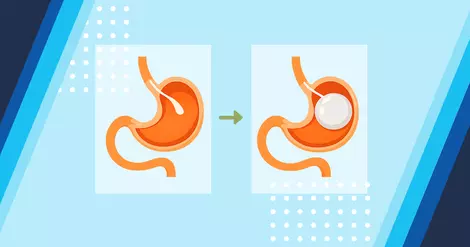
Some treatments used for weight management may also play a role, including:
Medications and surgery have been linked to lower rates of some obesity-related cancers in observational studies. However, they don’t work the same way for everyone, and more research is needed to understand how they may affect cancer risk over time.
On MyObesityTeam, people share their experiences with obesity, get advice, and find support from others who understand.
Have you been diagnosed with cancer while living with obesity? Let others know in the comments below.
Get updates directly to your inbox.




 Continue with Facebook
Continue with Email
Continue with Facebook
Continue with Email
Continue with Facebook
Continue with Email
Continue with Facebook
Continue with Email
Become a member to get even more





 Join
Join




 Your Privacy Choices

This is a member-feature!
Sign up for free to view article comments.
It Tells Me Things That I Can Do To Lessen The Risk Of Me Developing Cancer. Adapting To Lifestyle Is Often Difficult ; But Possible. By Letting Me Know More About The Different Types Of Cancer I… read more
We'd love to hear from you! Please share your name and email to post and read comments.
You'll also get the latest articles directly to your inbox.