
Powered By


The U.S. Food and Drug Administration (FDA) has approved the Allurion Gastric Balloon System, a temporary device intended to support short-term, limited weight loss in adults living with obesity. Unlike some other gastric balloon options, it doesn’t require surgery, endoscopy, or anesthesia to place or remove. Instead, a person swallows a capsule that contains the device, which is then filled with fluid once it is in the stomach. After around four months, you pass the balloon.
Sign up to view the results!
 Continue with Facebook
Continue with Email
Continue with Facebook
Continue with Email
The approval adds another potential treatment option for people living with obesity and considering weight loss support, alongside approaches such as lifestyle changes, medications (including GLP-1 drugs), and bariatric surgery.
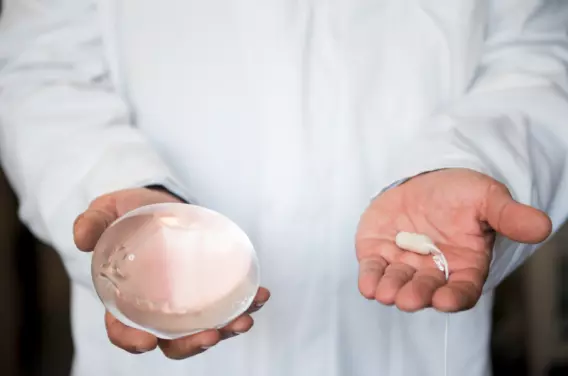
Allurion’s system uses a capsule that is attached to a catheter and contains a deflated balloon. The capsule is swallowed, then the balloon is filled in the stomach under a healthcare provider’s supervision. The balloon takes up space in the stomach, which may help some people feel full sooner. The device is designed to be put in place without requiring surgery, endoscopy, or anesthesia.
The device is indicated for adults aged 22 to 65 with a body mass index (BMI) of 30 to 40 who have had at least one unsuccessful attempt at a weight loss program. It’s intended to be used alongside a moderate-intensity lifestyle modification program, including changes in eating patterns, activity, and habits.
The balloon is not permanent. After approximately four months, the device’s release valve opens, and the balloon passes out of the body naturally. Another capsule can be swallowed two months after the first balloon passes.
The approval was based on the outcome of a U.S. study called Audacity that enrolled 550 people at 17 U.S. sites. Participants were randomly assigned to either two cycles of the Allurion Balloon or a control group that received moderate-intensity lifestyle therapy.
Among the results from the study:
Temporary gastric balloons can cause side effects, and some complications may be serious. According to Cleveland Clinic, side effects of intragastric balloons may include:
Rare but serious complications of gastric balloons may include:
For some people, weight loss can be difficult even with sustained changes in eating patterns, activity, and daily habits. Others may not be able to take certain medications, may not get the results they hoped for, or may not feel ready for a surgical option.
A temporary device like the Allurion balloon may be of interest to people who:
If you’re living with obesity and aren’t seeing the results you want from your current treatment plan, consider asking your healthcare provider about alternatives, including their respective benefits and potential risks.
On MyObesityTeam, people share their experiences with obesity, get advice, and find support from others who understand.
Have you tried a gastric balloon to help with weight loss? Let others know in the comments below.
Get updates directly to your inbox.




 Continue with Facebook
Continue with Email
Continue with Facebook
Continue with Email
Continue with Facebook
Continue with Email
Continue with Facebook
Continue with Email
Become a member to get even more





 Join
Join

 Your Privacy Choices

This is a member-feature!
Sign up for free to view article comments.
My little sister had a "gastric sleeve" placed a few years back. She was unable to have any benefits from the device. She used to eat until she vomited, and was always hungry to the point of crying… read more
We'd love to hear from you! Please share your name and email to post and read comments.
You'll also get the latest articles directly to your inbox.