
Powered By



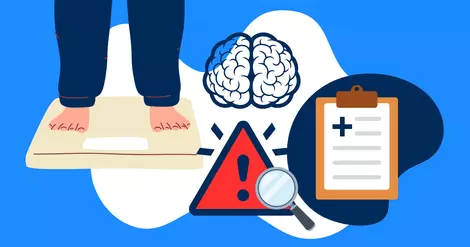
Weight gain from hypothalamic obesity is related to damage to the hypothalamus (a region in the brain). This causes hormone imbalances that impact metabolism and hunger, but how do these symptoms affect one’s body and health over time?
Sign up to view the results!
 Continue with Facebook
Continue with Email
Continue with Facebook
Continue with Email
Several hypothalamic obesity symptoms can have physical, mental, and emotional effects. Keep reading to learn how hypothalamic obesity works and why weight changes can happen suddenly.
Hypothalamic obesity happens when the hypothalamus is damaged. The hypothalamus is the part of the brain that communicates with the body to regulate many bodily functions, including hunger, metabolism, thirst, and circadian rhythm (sleep patterns).
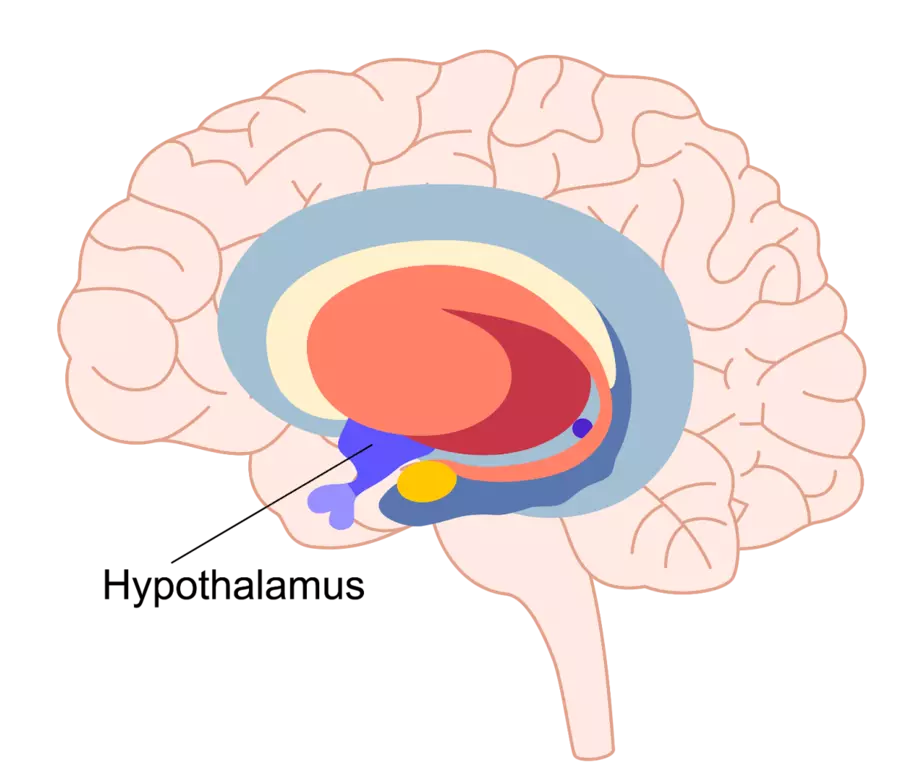
Brain tumors, or the surgery to remove them, are the most common reason for the damage that causes hypothalamic obesity. Craniopharyngiomas are tumors that grow near the hypothalamus and are responsible for more than half of all cases of hypothalamic obesity.
Hypothalamic obesity can also be caused by traumatic brain injuries when swelling or bleeding damages the hypothalamus. Genetic conditions like Prader-Willi syndrome also affect how the hypothalamus works.
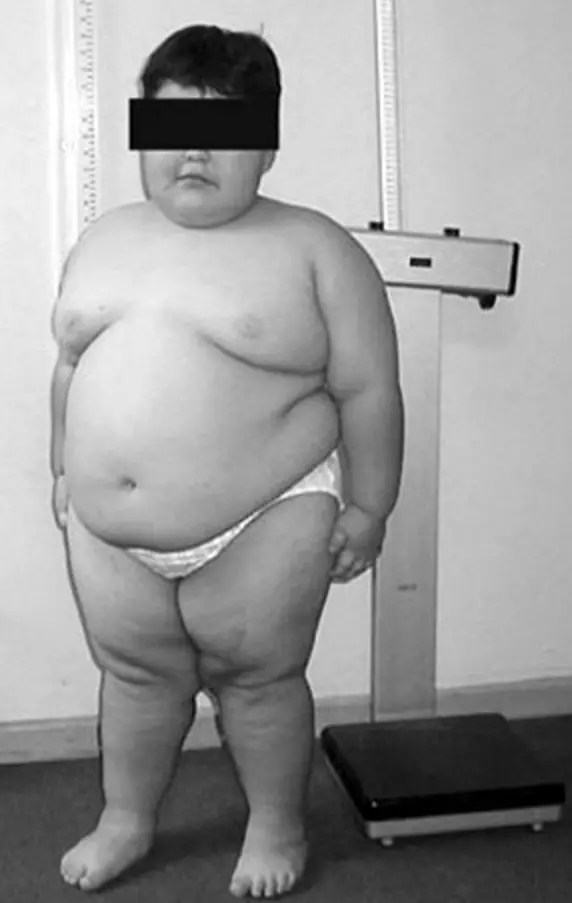
The symptoms of hypothalamic obesity vary. Rapid weight gain can result from a combination of factors, though researchers are still trying to understand the full picture. The main causes of rapid weight gain include:
Traditional weight loss strategies don’t usually work to manage hypothalamic obesity because weight gain isn’t caused by lifestyle choices. People with the condition need a medical team to develop a weight management plan that works for them.
At this time, there are no treatments approved by the U.S. Food and Drug Administration (FDA) for hypothalamic obesity. Clinical trials are underway to study potential treatments that regulate the brain’s energy balance pathways.
Symptoms like constant hunger and low energy can impact the body in several ways. Below are common physical changes people may notice.
Without damage to the hypothalamus, weight gain is typically related to an imbalance of the energy you’re getting through food and the energy you’re burning through activity. If you’re taking in more energy than you’re using, you can gain weight. But with hypothalamic obesity, the brain’s miscommunication to the body can cause weight gain regardless of whether you are eating balanced meals.
Most people with hypothalamic obesity gain weight over time, even if they’re eating healthy food in adequate portions. Some feel uncontrollable hunger called hyperphagia, which can contribute to rapid weight gain.
Depending on the cause of damage to the hypothalamus, weight gain can begin quickly, sometimes at a rate of 1 to 2 pounds per week.

Our genetics tell our bodies where to store weight, like in our hips or belly. Much of this fat sits subcutaneously, or under the skin. But as someone gains more weight over time, the body may start storing fat in the body’s muscles or around important organs in the belly. Some fat storage around the organs (also known as visceral fat) is normal. However, when there’s too much, it can further impact your metabolism and organ health.
Damage to the hypothalamus can cause hypothalamic obesity, but it can also cause a host of other health issues. People living with hypothalamic obesity may experience a range of these other conditions and symptoms. If you have hypothalamic obesity, part of your treatment plan will aim to prevent these complications.
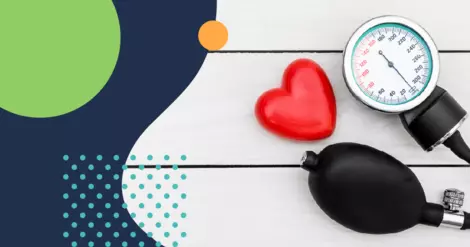
Damage to the hypothalamus may disrupt communication between the brain and the heart, causing issues with regulating blood pressure and heart rate. Hypothalamic obesity and hypothalamic damage can also increase the risk of cardiovascular (heart) disease. Cardiovascular disease is a group of conditions related to the heart, such as coronary heart disease, heart failure, heart arrhythmias (irregular heart rhythm), and peripheral artery disease.
Symptoms vary depending on the cardiovascular issue you’re experiencing, and sometimes you might not notice any symptoms. General symptoms can include chest pain, shortness of breath, dizziness, and fatigue. Those with heart failure, for example, may notice swelling in the legs.
Those with long-term, difficult-to-control high blood pressure could develop complications like peripheral artery disease. This affects blood flow to the limbs and may lead to symptoms like foot ulcers (wounds) that take a long time to heal.

Hypothalamic obesity can affect other organs and body functions. Some of these complications include:
Some research suggests people with hypothalamic obesity may have a higher risk of these complications than people diagnosed with other types of obesity.
Hypothalamic obesity doesn’t just affect your physical health. It can also influence your mental and emotional health and everyday life.
Since standard diet and physical activity plans aren’t as effective for weight loss with hypothalamic obesity, people can feel frustrated and helpless. Weight gain can take a toll on self-image, even with the best efforts to lead a healthy lifestyle. People with hypothalamic obesity may also feel anxious about their health, especially if they worry about developing further complications.
Many people with hypothalamic obesity are diagnosed as children or young adults. They can experience judgment as young as age 5.
Some MyObesityTeam members who had childhood obesity have shared about times when they didn’t want to go to school because of judgment from other kids. “I was bullied daily for my body weight. Teachers were aware of it, and they never did or said anything. My parents used to tell me not to let others see me get mad,” wrote one member.
Another member could relate, saying, “I joked it off in school, but it was harder around my football team. I always tried to keep my chin up and surround myself with loving support groups. That made the difference for me when I was feeling my lowest.”
Unfortunately, these negative feelings can linger well into adulthood, where people can still experience weight stigma. One MyObesityTeam member shared they have trouble asking questions about symptoms because of negative experiences with previous healthcare providers. “Sometimes, I get scared to go to the doctor. It heightens my anxiety, and I don’t always feel like they’re listening to me. I just want to be spoken to with compassion,” they wrote.
If you’re living with hypothalamic obesity, it’s important to remember that weight gain and other symptoms aren’t typically caused by your lifestyle choices. Instead, they’re happening because of a complex underlying issue that needs medical treatment from a team of specialized doctors.
Talking to a mental health professional can help you find ways to process your emotions and stay motivated as you find the best treatment plan.
On MyObesityTeam, people share their experiences with obesity, get advice, and find support from others who understand.
What’s it like living with hypothalamic obesity for you or your child? Have you noticed other physical or mental changes not included above? Let others know in the comments below.
Get updates directly to your inbox.



 Continue with Facebook
Continue with Email
Continue with Facebook
Continue with Email
Continue with Facebook
Continue with Email
Continue with Facebook
Continue with Email
Become a member to get even more





 Join
Join

 Your Privacy Choices

This is a member-feature!
Sign up for free to view article comments.
I believe that I may have this condition. I was very slim until I was 7yrs old. I got hit in the head with a large stick. And I was moved from the city to the farm. After the move I gained weight very… read more
We'd love to hear from you! Please share your name and email to post and read comments.
You'll also get the latest articles directly to your inbox.