
Powered By



 Continue with Facebook
Continue with Email
Continue with Facebook
Continue with Email
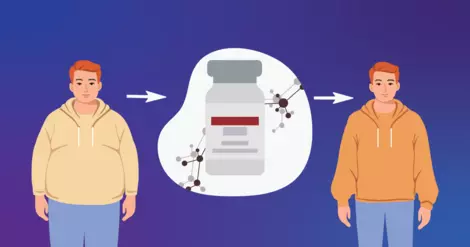
GLP-1 medications are getting a lot of attention right now, especially in discussions about weight loss. You hear about them on social media, in the news, and in conversations about weight loss. They started out as treatments for diabetes, but today, many people taking them do not have diabetes at all. Some even have normal blood sugar and cholesterol levels.
That can sound strange at first. If your numbers look good, why would a doctor prescribe a medication like this?
Before diving into the details, it helps to know which medications people are usually talking about. Then we’ll discuss 10 facts about these medications for people with normal blood sugar and cholesterol to consider.
Doctors may prescribe different GLP-1 drugs depending on the goal, dose, and insurance coverage. Some of the most commonly discussed include:
Wegovy, Zepbound, and Saxenda are approved for weight loss. Ozempic, Victoza, Rybelsus, and Mounjaro are approved for diabetes, not specifically for weight loss. Coverage still varies depending on your health insurance plan.
Weight, appetite, and future health risks do not always show up on a lab report. Some people feel stuck doing all the right things and still not seeing changes. This article breaks down what we know so far about GLP-1 drugs for people with normal blood sugar and cholesterol levels. The goal is to explain the benefits, limits, and trade-offs in a way that makes sense.
You can have normal blood sugar and cholesterol levels and still be at a higher risk for health problems later in life. Body weight, family history, sleep, stress, and how your body stores fat all matter more than many people realize.
Doctors sometimes prescribe GLP-1 drugs to people with obesity or excess weight to lower future risk, even if their current labs look fine. Research in people without diabetes shows that these medications can lead to steady and meaningful weight loss over time.
Doctors usually follow FDA rules for prescribing these medicines. That means a BMI of 30 or higher, or a BMI of 27 or higher plus a weight-related health problem (such as obstructive sleep apnea). Your doctor will look at your whole health picture, not test results alone.
Many people say the most noticeable effect of a GLP-1 drug is that they feel less hungry. Cravings fade. Portions get smaller without feeling forced or miserable.
Studies in adults without diabetes show that GLP-1 drugs reduce appetite and calorie intake, which helps explain why weight loss happens. People often describe feeling full sooner and staying full longer.
For people who feel hungry all the time despite trying to eat well, this appetite control can feel like a huge relief. Still, it doesn’t fix emotional eating, stress eating, or habits built over many years.
You do not need diabetes or prediabetes to lose weight on a GLP-1 drug. Large reviews show that people without diabetes can lose about 5 percent to nearly 18 percent of their body weight, depending on the medication, dose, and how long they stay on it. In clinical trials, medications like tirzepatide (Zepbound) have been associated with a 15 percent to 22 percent weight loss when combined with diet and exercise.
Results are different for everyone. Some people lose weight quickly. Others see slower changes. Some people stop early due to side effects, cost, or life changes.
It’s important to know that weight often comes back after stopping the drug. This is why doctors stress long-term planning and realistic expectations, not short-term fixes.
GLP-1 drugs are good for heart health in people with type 2 diabetes. For people without diabetes, researchers are still studying what these drugs may mean for heart health.
Some studies suggest fewer heart-related events in people with obesity who take GLP-1 drugs, possibly due to weight loss and other effects. Larger studies in people without diabetes are still needed to confirm this connection.
Research shows that losing weight usually helps the heart. It’s not clear whether GLP-1 drugs offer extra heart protection beyond weight loss alone in people with normal labs.
GLP-1 drugs can slightly lower cholesterol and blood pressure. But if your numbers are already in a healthy range, the changes may not be noticeable on lab tests because some studies have not found large decreases in cholesterol.
Reviews suggest that improvements in other conditions, like blood pressure and knee pain, are mostly linked to weight loss rather than a strong direct drug effect. The same has not been clearly shown for cholesterol.
This all means GLP-1 drugs should not be viewed as cholesterol treatment for people who already have normal levels or as a replacement for healthy eating.
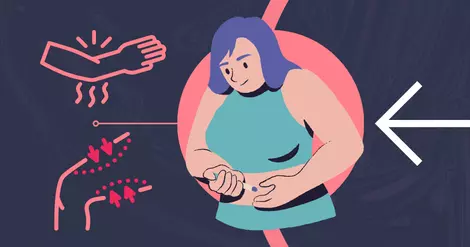
Nausea, vomiting, diarrhea, constipation, and stomach pain are the most common side effects. These usually happen when starting the medication or increasing the dose. For many people, symptoms ease over time as the body adjusts. For others, side effects can interfere with daily life. This is why slow dose increases and good communication with a healthcare provider can help.
GLP-1 drugs make it easier to eat less, but they don’t automatically create healthy habits. People still need balanced meals, enough protein, and regular movement.
If someone eats too little because they feel sick or overly full, they may lose muscle or miss important nutrients. That can slow metabolism and make weight management harder later on.
Health experts stress that the best outcomes happen when medication is paired with long-term lifestyle changes.
GLP-1 drugs are expensive. Without insurance, monthly costs can be very high and out of reach for many families.
Many insurance plans only cover these medications for diabetes, not for weight loss alone. This may leave many people paying out of pocket or stopping treatment earlier than planned.
Cost is one of the biggest reasons people cannot stay on these drugs long term, even when they work well and improve quality of life. Costs vary widely, and oral forms are not always less expensive than injectables.
We do not yet have decades of data on people without metabolic disease using GLP-1 drugs for many years. Most studies so far last months to a few years.
Researchers are still studying long-term safety, weight maintenance, and rare risks in nondiabetic populations. This does not mean the drugs are unsafe. It means there are unanswered questions that people should understand before starting long-term treatment.
GLP-1 drugs are powerful, and that’s why they require a prescription and medical supervision. They are not meant to be casual or cosmetic medications. Since there are so many brands of these medications currently on the market, be sure you are not taking more than one at a time.
They may not be appropriate for people with certain medical conditions, and they may not be the best choice for people looking for short-term weight loss only.
A thoughtful conversation with a healthcare provider helps weigh the benefits, risks, costs, and personal goals before deciding.
GLP-1 drugs can help some people with normal blood sugar and cholesterol lose weight and control appetite. They may also offer future health benefits, but much is still being studied.
They are not quick fixes. They are not cheap. And they are not for everyone.
When used thoughtfully and with medical guidance, they can be a helpful tool. Understanding the limits of these medications is just as important as understanding the benefits.
On MyObesityTeam, people share their experiences with obesity, get advice, and find support from others who understand.
Would you consider a GLP-1 drug for weight loss even if your blood sugar and cholesterol numbers are normal? Let others know in the comments below.
Get updates directly to your inbox.


 Continue with Facebook
Continue with Email
Continue with Facebook
Continue with Email
Continue with Facebook
Continue with Email
Continue with Facebook
Continue with Email
Become a member to get even more





 Join
Join

 Your Privacy Choices

This is a member-feature!
Sign up for free to view article comments.
We'd love to hear from you! Please share your name and email to post and read comments.
You'll also get the latest articles directly to your inbox.