
Powered By


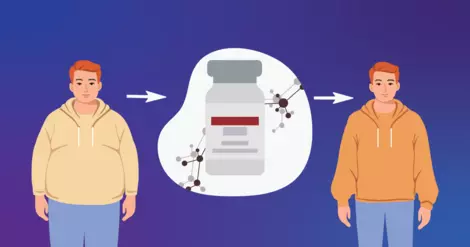
A new in-depth analysis suggests that popular glucagon-like peptide-1 (GLP-1) drugs such as semaglutide (Wegovy) and tirzepatide (Zepbound) can reduce appetite to the point that some people may fall short on key nutrients, especially without diet support.
Sign up to view the results!
 Continue with Facebook
Continue with Email
Continue with Facebook
Continue with Email
The findings matter because GLP-1 medications are increasingly used for long-term obesity management, and nutrition gaps can affect energy levels, muscle mass, and bone strength.
GLP-1 drugs are part of a group of medications called incretin therapies. They were first developed to help manage blood sugar in people living with type 2 diabetes and are now also used for weight management for obesity.
The main drugs reviewed in the study were semaglutide and tirzepatide. Semaglutide is a GLP-1 receptor agonist. Tirzepatide is a dual GIP/GLP-1 receptor agonist, which means it activates two related hormone pathways involved in blood sugar control and appetite regulation.
These medications work by mimicking natural hormones in the body that help regulate blood sugar after meals and reduce appetite. They slow digestion, increase feelings of fullness, and lower hunger and food cravings. For many people, this leads to eating fewer calories, which can affect both blood sugar management and overall nutrition.
Importantly, the prescribing information for these medications states that they are meant to be used in combination with a reduced-calorie diet and increased physical activity, not as stand-alone treatments. Nutrition and physical activity are considered part of treatment with these medications, not optional add-ons.
The researchers gathered and analyzed all the available studies on this topic to understand patterns and gaps in the evidence. The 12 studies they found varied widely in the amount of diet guidance people received, ranging from structured meal plans to general advice — and, in many cases, no formal nutrition support at all.
Across studies, people taking GLP-1 drugs ate 24 percent to 39 percent fewer calories on average. While calorie reduction is expected, the review found several nutrition-related concerns:
GLP-1 drugs like semaglutide and tirzepatide can be powerful tools for weight management, but this review highlights an important gap: Nutrition support is often missing. Eating less is expected with these medications, but without guidance, some people may not get enough protein, vitamins, or minerals to support energy, muscle health, and overall well-being.
The researchers suggest that early involvement of a dietitian and regular nutrition check-ins could help protect muscle mass, reduce the risk of nutrient deficiencies, and make side effects like nausea or early fullness easier to manage. Individual needs can vary based on age, other health conditions, and access to healthy foods, making personalized support especially important.
If you’re taking a GLP-1 medication or thinking about taking one, talk with your healthcare provider about nutrition support. You can also ask whether working with a registered dietitian should be part of your care plan. These medications are meant to be used alongside healthy eating and physical activity, and the right support may help make treatment safer and more sustainable over time.
Learn more about what to eat and what to avoid while taking GLP-1 drugs.
On MyObesityTeam, people share their experiences with obesity, get advice, and find support from others who understand.
Have you received diet support while taking a GLP-1 drug? Let others know in the comments below.
Get updates directly to your inbox.


 Continue with Facebook
Continue with Email
Continue with Facebook
Continue with Email
Continue with Facebook
Continue with Email
Continue with Facebook
Continue with Email
Become a member to get even more





 Join
Join



 Your Privacy Choices

This is a member-feature!
Sign up for free to view article comments.
It's amazing that more isn't being promoted to cure type II diabetes, given it is curable. No...big pharma can't make money on cures
We'd love to hear from you! Please share your name and email to post and read comments.
You'll also get the latest articles directly to your inbox.