
Powered By



Glucagon-like peptide 1 (GLP-1) weight-loss medications have gained a lot of attention in recent years. This may prompt people to wonder if they’re a good idea for losing a relatively small amount of weight, such as 10 pounds. Before considering that option, it’s important to understand how these drugs work, who they’re meant for, and which safety and practical issues come with using them.
This article explains GLP-1 weight-loss medications in simple terms and reviews known safety concerns. Knowing this information can help you weigh whether the benefits outweigh the risks if you have a modest weight-loss goal.
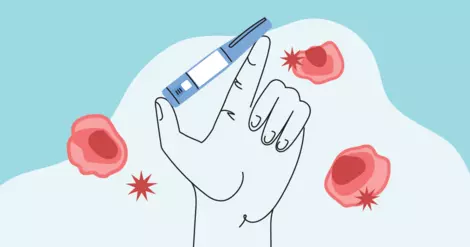
GLP-1 medications are drugs that copy the action of a natural hormone in the body called glucagon-like peptide 1, or GLP-1. This hormone is released from the gut after you eat and helps regulate blood sugar levels and appetite. Because of this effect, GLP-1 drugs were first developed to treat type 2 diabetes. Researchers later noticed that many people taking them also lost a significant amount of weight.
Today, some GLP-1 drugs are approved specifically for weight management in people with obesity or certain weight-related health conditions. These drugs include semaglutide (Wegovy), liraglutide (Saxenda), and tirzepatide (Zepbound). They aren’t approved or usually recommended for people who only want to lose a small amount of weight with no related medical problems.
GLP-1 medications affect weight in a few key ways. First, they slow down how quickly food leaves the stomach. This may help you feel full longer after eating, which can reduce how much you eat overall. Second, these drugs act on parts of the brain that help control appetite and cravings. This can make you feel less hungry between meals. GLP-1 drugs also help improve how the body uses insulin and controls blood sugar.
Studies have shown that many people have lost 10 percent to 20 percent of their body weight while on GLP-1 medications for over a year. Keep in mind that these results are mainly seen in people who have obesity, not in those aiming to lose just a few pounds.
In the U.S., prescription GLP-1 medications for weight loss are typically approved for adults with obesity. This usually means the person has a body mass index (BMI) of 30 or higher. GLP-1s can also be prescribed for adults with a BMI between 25 and 29.9 if they have at least one weight-related health condition, such as high blood pressure, type 2 diabetes, obstructive sleep apnea, or high cholesterol.
For someone who wants to lose 10 pounds but doesn’t meet these criteria, GLP-1s aren’t generally recommended. Doctors usually suggest lifestyle changes instead. This may involve adjusting diet, exercise, sleep, and stress levels for modest weight goals.
GLP-1 medications may not be safe for everyone. People with a personal or family history of medullary thyroid cancer or multiple endocrine neoplasia syndrome type 2 (MEN 2) shouldn’t use these drugs.
Anyone who’s pregnant, planning to become pregnant, or breastfeeding should avoid GLP-1 drugs. That’s because their safety in these situations hasn’t been established.
Even if a person only wants to lose 10 pounds, a full medical review is often necessary before considering these medications.
Like all prescription drugs, GLP-1s can cause side effects. The most common ones affect the digestive system. Many people experience nausea, vomiting, diarrhea, constipation, or stomach pain. This is especially true when starting the medication or increasing the dose.
Most people tolerate GLP-1 medications without major problems. But there are some serious risks to be aware of, even if they’re uncommon. GLP-1 drugs have been linked to an increased risk of gallbladder problems, such as gallstones and gallbladder inflammation. Rapid weight loss itself can also raise the risk of gallstones, which may add to this concern.
There have also been reports of pancreatitis, or inflammation of the pancreas, in people using GLP-1 medications. Pancreatitis can cause severe abdominal pain and may require hospitalization. While pancreatitis as a side effect is rare, it’s serious and should be considered carefully.
The U.S. Food and Drug Administration (FDA) has also warned about safety concerns related to unapproved or compounded GLP-1 drugs used for weight loss. These products may contain incorrect doses or ingredients and can increase the risk of side effects or treatment failure.
Another practical consideration is cost. GLP-1 weight-loss drugs can cost upward of $1,000 a month in out-of-pocket costs without insurance coverage. Many insurance plans don’t cover GLP-1s for weight loss or limit their coverage to strict criteria. This can make it a challenging and costly prescription process.
For someone trying to lose a relatively small amount of weight, this ongoing cost can be hard to justify. Lifestyle changes such as improving diet quality, increasing physical activity, or working with a registered dietitian are usually far less expensive and more accessible.
Another key trade-off is that GLP-1 medications often need to be taken long term to maintain weight loss. Research shows that individuals gained from 0.9 to 1.8 pounds per month after stopping GLP-1 medications. This means that individuals could be back at their starting weight roughly 1.5 to 2 years after stopping the drug. This weight gain is believed to be due to the medication’s appetite-suppressing effects, which go away once you stop taking treatment.
It’s important to consider whether long-term medication use is worth it for a 10-pound weight-loss goal. In many cases, learning sustainable patterns with healthy eating and activity habits may lead to more lasting results without the need for ongoing drug therapy.
For people with modest weight-loss goals, lifestyle changes are often safer and more appropriate. Small adjustments, such as reducing sugary drinks, increasing daily movement, eating more fiber and protein, sleeping well, and managing stress, can lead to gradual weight loss and improved health.
Lifestyle approaches also come with added benefits, such as better heart health and improved energy and mood. While these changes may take longer than medication-based weight loss, they don’t carry the same medical risks or financial costs.
If an underlying medical condition besides obesity caused you to gain 10 pounds, treating it may help you lose the weight. Talk to your care team about whether it’s safe to combine treatment for your other condition with lifestyle changes like movement and dietary adjustments.
GLP-1 weight-loss medications can be life-changing for people with obesity or serious weight-related health problems. However, for someone looking to lose around 10 pounds, the balance between benefit and risk looks different. Common side effects, rare but serious risks, high costs, and the need for long-term use all deserve careful thought.
If your goal is modest weight loss, focusing on sustainable lifestyle habits is often the safest and most effective approach. Anyone considering GLP-1 medications, no matter what the goal, should have a detailed conversation with a healthcare provider. They’ll help you review risks, benefits, and safer alternatives based on personal health history.
On MyObesityTeam, people share their experiences with obesity, get advice, and find support from others who understand.
Have you tried a GLP-1 medication for moderate weight loss? Let others know in the comments below.
Get updates directly to your inbox.




 Continue with Facebook
Continue with Email
Continue with Facebook
Continue with Email
Continue with Facebook
Continue with Email
Continue with Facebook
Continue with Email
Become a member to get even more





 Join
Join



 Your Privacy Choices

This is a member-feature!
Sign up for free to view article comments.
I've not taken any meds for weight loss. Prefer to "go natural" ie whole foods, plenty of water, reduce alcohol consumption, move more.
We'd love to hear from you! Please share your name and email to post and read comments.
You'll also get the latest articles directly to your inbox.