
Powered By



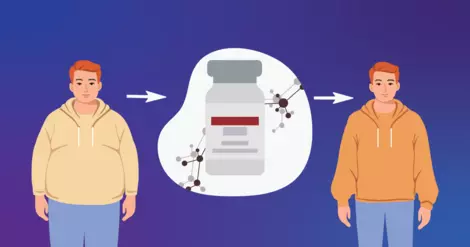
Glucagon-like peptide 1 (GLP-1) weight loss medications have helped many people lose weight, but they don’t work for everyone. Some people don’t meet the medical criteria to take these drugs, while others can’t tolerate side effects or afford the cost.
The good news is that GLP-1s are not the only option. Several alternatives can support meaningful weight loss when used with medical guidance.
This article explains why some people don’t qualify for GLP-1s, what these drugs do, and the most common alternatives.
GLP-1 medications like semaglutide (Wegovy) and dual-hormone drugs like tirzepatide (Zepbound) copy a natural hormone called glucagon-like peptide-1. This hormone helps control appetite and blood sugar after eating. GLP-1 drugs slow the speed of food leaving the stomach, increase feelings of fullness, and send signals to the brain to reduce hunger. This combination can cause you to eat less over time.
These medicines also help regulate blood sugar by increasing insulin release. This is why many GLP-1 drugs, like Ozempic and Mounjaro, were first approved for type 2 diabetesbefore being approved for weight management.
Not everyone can safely or realistically use GLP-1 drugs. Common reasons include medical risk factors, side effects, insurance limits, diagnoses that don’t qualify, and cost.
People with a personal or family history of medullary thyroid cancer or multiple endocrine neoplasia syndrome type 2 (MEN2) may need to avoid GLP-1s due to a potential cancer risk seen in animal studies. However, more research is needed on this relationship.
GLP-1s may also worsen certain gastrointestinal conditions, such as severe gastroparesis, because they slow stomach emptying. Your doctor can advise whether GLP-1s are right for you.
Many GLP-1 users have side effects like nausea, vomiting, diarrhea, or loss of appetite. This is especially true when starting treatment or increasing doses. Even with careful dosing adjustments, some people can’t tolerate these effects and choose to stop the medication.
GLP-1 medications can cost over $1,000 per month out of pocket without insurance. Many insurers only cover them for diabetes and not for weight loss reasons, unless a prior authorization from a doctor shows you fit the criteria. Getting the medication covered by insurance can be a challenging and time-consuming process.
Ask your insurer for its specific GLP-1 coverage guidelines. You can learn more about which drugs are covered and which health conditions qualify.
If GLP-1s aren’t an option, there are still effective paths forward. Depending on your health history, budget, and goals, your doctor may suggest other options. These might include prescription weight loss medications, off-label diabetes drugs, or structured medical programs.
Phentermine is a short-term appetite suppressant. It works by stimulating the central nervous system to reduce hunger. It’s usually used for three to six weeks, although it is approved by the U.S. Food and Drug Administration (FDA) for a maximum of three months.
People without heart disease or uncontrolled high blood pressure may be candidates to try it for early weight loss. This medication is not suitable for people with glaucoma, hyperthyroidism, or a history of stroke, substance use disorder, or some types of psychiatric illness.
This combination medication pairs phentermine with topiramate, which can reduce cravings and improve fullness. For best results, your doctor will often pair these drugs with an exercise program and a reduced-calorie eating plan.
This medication works on brain pathways that affect hunger and reward. It may help people who struggle with emotional eating and food cravings. It’s often paired with behavioral support like a tailored eating plan and physical activity.
Orlistat reduces how much fat the body absorbs from food. It doesn’t affect appetite directly, but it can help support modest weight loss when used with a lower-fat diet. Diarrhea and gas are very common side effects. Liver injury has also been reported with orlistat.
Metformin is a diabetes drug that’s sometimes prescribed off-label for weight support. It improves insulin sensitivity and lowers blood sugar. It’s associated with modest weight loss.
Sodium-glucose cotransporter 2 (SGLT2) inhibitors help the kidneys get rid of glucose through urine. These medications may lead to some mild weight loss and are generally prescribed for people with diabetes. But they’re occasionally prescribed off-label for weight loss in those without diabetes.
Medical weight management programs provide structured, ongoing care focusing on more than medication alone. These comprehensive care programs are individualized. You’ll usually start with a full assessment from a doctor. From there, you may meet with a team of healthcare professionals for comprehensive care. This might include a behavioral counselor, a dietitian, and an obesity specialist.
Weight management programs often follow the four pillars of obesity medicine: nutrition, physical activity, behavioral therapy, and medical therapy.
Personalized nutrition plans can support weight loss without medication. Plans may focus on calorie reduction, eating more protein, eating more fresh fruits and vegetables, or consuming less fat or carbohydrates. Approaches such as the Mediterranean diet and Dietary Approaches to Stop Hypertension (DASH) diet may support weight loss when paired with calorie reduction and lifestyle changes.
Work with your healthcare provider to find an eating plan that works best for you and your individual needs. This is especially important if you have health conditions like diabetes or heart disease.
Regular movement is a core part of weight management, alongside healthy eating habits. It’s recommended to get over 150 minutes of moderate exercise per week, but starting slowly and building over time is often more sustainable. For weight loss and weight management, you may need more or different types of exercises. Some exercises you could try include brisk walking, cycling, swimming, or jumping rope.
Exercise can also be helpful for improving sleep quality and reducing the risk of health concerns. These include high blood pressure, heart disease, type 2 diabetes, arthritis, and osteoporosis. Always talk with your doctor to see what types of exercises are safe for you.
Behavioral therapy works to address habits, emotions, and thought patterns surrounding food. Some techniques include goal-setting, mindfulness, and cognitive behavioral therapy (CBT). These may help you create healthier eating habits and manage weight long term. You might benefit from one-on-one counseling or therapy in a group setting. Talk with your healthcare provider to see what’s available near you.
In addition to dietary changes, regular exercise, and behavioral therapy, your doctor may recommend medications for weight loss. In some instances, they may consider weight loss surgery, including gastric bypass, gastric sleeve, or adjustable gastric banding. Bariatric surgery is usually recommended for those with a body mass index (BMI) higher than 40. It may also be advised for those with a BMI between 35 and 39.9 who also have another health problem related to weight. This may include high blood pressure or severe sleep apnea.
Not qualifying for GLP-1 medication doesn’t mean progress toward your health goals is impossible. If GLP-1s aren’t an option for you, work with a healthcare provider trained in obesity medicine. They can offer medical advice and create a plan that fits your health needs, goals, and access to care.
On MyObesityTeam, people share their experiences with obesity, get advice, and find support from others who understand.
What’s the biggest challenge you’ve faced when exploring weight loss options? Let others know in the comments below.
Get updates directly to your inbox.



 Continue with Facebook
Continue with Email
Continue with Facebook
Continue with Email
Continue with Facebook
Continue with Email
Continue with Facebook
Continue with Email
Become a member to get even more





 Join
Join


 Your Privacy Choices

This is a member-feature!
Sign up for free to view article comments.
My challenge is that I am on Medicare and social security. Medicare does not cover weight loss and being in a fixed income, I am not able to afford GLP1 out of pocket costs.
We'd love to hear from you! Please share your name and email to post and read comments.
You'll also get the latest articles directly to your inbox.