
Powered By



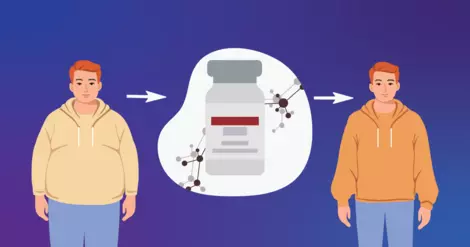
Glucagon-like peptide 1 (GLP-1) medications help manage blood sugar and body weight. But like all medications, they can come with side effects. The most common side effects impact the gastrointestinal tract (your digestive system).
Side effects are more common when you first start treatment or increase your dose. You may feel better as your body adjusts to the medication.
In some cases, a healthcare provider can help manage your symptoms at home. Less often, serious side effects could signal a dangerous complication that needs emergency attention.
Knowing what to expect can help you prepare for treatment. Here’s what’s “normal” and when to get help.
Sign up to view the results!
 Continue with Facebook
Continue with Email
It’s not unusual to have some side effects from GLP-1 medication. In most cases, they’re mild. These are five common gastrointestinal side effects you might develop while taking a GLP-1 medication.
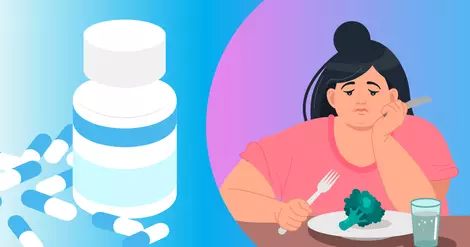
Between 25 percent and 44 percent of people on GLP-1s experience nausea. Nausea is when you feel sick to your stomach or “queasy.”
One of the key ways GLP-1s work is by delaying gastric emptying. That means food stays in your stomach longer.
If you’re not used to feeling fuller, you may eat more than your body needs. Food that sits in the stomach can leave you feeling sick.
There can be a fine line between feeling satisfied and overfull, especially if you’re new to GLP-1s. You may need more time and experience with the medication to learn what to eat and how much.
GLP-1s also affect blood sugar levels. If you take other medications for diabetes in addition to a GLP-1, these effects can be dramatic. Low blood sugar, known as hypoglycemia, may also cause nausea.
Studies suggest that diarrhea affects 19 percent to 30 percent of GLP-1 users. Diarrhea means you have loose, watery bowel movements. You may have little control over bowel movements and have to go several times in one day.
Everyone gets diarrhea occasionally. It may be caused by viruses or food intolerances. If diarrhea lasts for two to four weeks, it’s considered “persistent.”
Sometimes, GLP-1 treatment affects the intestinal muscles or the body’s natural digestive juices, leading to diarrhea. If diarrhea comes with blood, pain, or a fever, you should call your doctor.
Between 17 percent and 24 percent of GLP-1 users develop constipation. Being constipated can leave you feeling sluggish and uncomfortable. If you’ve already had constipation, you might end up with diarrhea when it resolves.
In addition to helping you feel less hungry, GLP-1s can affect your thirst. If you don’t feel thirsty, you might drink less without noticing. Not staying fully hydrated may raise your risk of constipation.
Pain in the abdomen (or belly) is a side effect for 9 percent to 20 percent of people on GLP-1s. Although abdominal pain is a possible side effect of GLP-1s, severe stomach pain is a warning sign to discuss with your healthcare team.
Vomiting is reported in 8 percent to 24 percent of people who take GLP-1s. Nausea can lead to vomiting, but not always.
Since vomiting can make it hard to keep food and fluids down, you should take this side effect seriously. Don’t wait to seek medical care if vomiting becomes a regular problem.
A recent survey showed that as high as 50 percent of people on GLP-1s for obesity and about 35 percent of people on GLP-1s for type-2 diabetes stopped taking their medications after one year.
However, people may have stopped for reasons other than side effects. Reporting side effects to your healthcare provider, adjusting your eating, and managing digestive problems can help you stay the course.
Mint and ginger are natural remedies for nausea. They may help settle your stomach when chewed as gum or sipped in herbal teas. Just be sure to ask your healthcare provider before taking supplements or over-the-counter medications for nausea.
Instead of eating large meals or drinking water with food, you might find it easier to have small snacks throughout the day. It can also be helpful to stay hydrated in between meals (rather than drinking with food) if you’re struggling with nausea or vomiting.
Eat slowly, and rest after eating if you feel nauseous. Gentle movement can help your digestive system, but don’t feel the need to rush out for a vigorous workout.
Your food choices also matter. If your stomach is upset or you’re having diarrhea, simple carbohydrates might be all you can tolerate. Crackers and toast are OK as temporary food choices to help settle your stomach.
But for constipation (and general health), fiber matters. Aim to get enough fiber and fluids to help prevent constipation by eating plant foods like fruits, vegetables, whole grains, and beans.
Although everyone is different, you might feel your best if you avoid alcohol and high-fat meals when using GLP-1 medication. If your side effects seem worse on certain days, think back about what you consumed beforehand to help find a possible connection.
If your side effects aren’t getting better with lifestyle changes, your healthcare provider may adjust your medication. But you shouldn’t make medication changes on your own, because that can lead to more problems. Instead, ask your doctor whether switching to a different GLP-1 or adjusting your dose could help.
Some of the less common side effects of GLP-1 medication include:
GLP-1s support people trying to eat less to lose weight. But eating less can also mean you’re not getting the nutrients your body needs. As a result, your skin, hair, muscle, and bones could be affected.
Getting enough protein can help prevent some of these issues. Ask to meet with a registered dietitian nutritionist for support in planning healthy meals and snacks to avoid malnutrition. If GLP-1 side effects are stopping you from eating enough, your healthcare provider may suggest a dietary supplement to prevent a deficiency.
If you’re wondering whether your symptoms are related to GLP-1 treatment, don’t be afraid to ask. Everyone responds to medication differently. You may have unusual side effects that aren’t readily mentioned by your doctor or pharmacist.
GLP-1s can also lead to rare complications. If left untreated, some complications can become life-threatening. These include:
Pay attention to any severe side effects. For example, persistent vomiting could lead to dehydration and kidney issues. zz

Intense or ongoing abdominal pain can be a sign of pancreatitis, which needs prompt medical care. A severe allergic reaction is also an emergency. Signs may include trouble breathing or swelling of the face, lips, tongue, or throat.
Severe constipation or being unable to pass stool or gas can be a sign of a bowel obstruction. Severe abdominal pain, vomiting, bloating, or swelling of the abdomen can also occur. Get medical help right away if you have these symptoms, because a complete bowel obstruction is a medical emergency.
Tell your healthcare provider if you have any concerns. They can help you better understand common side effects and identify the bigger potential risks that shouldn’t be ignored.
Get updates directly to your inbox.



 Continue with Facebook
Continue with Email
Continue with Facebook
Continue with Email
Become a member to get even more





 Join


 Your Privacy Choices

This is a member-feature!
Sign up for free to view article comments.
We'd love to hear from you! Please share your name and email to post and read comments.
You'll also get the latest articles directly to your inbox.